

Driveways on the Central Coast require effective shade solutions that protect vehicles and footpaths year-round. Proper planning involves understanding car movements and foot traffic. Establishing a layout that allows for adequate water drainage without obstructing door swings and movement paths is crucial. Define areas needing shade and position the sail's corners to ensure proper shelter while adhering to clearance requirements.
The initial planning stage should focus on defining the shaded area, ensuring accessibility from vehicle to entrance, while avoiding structures that may interfere with corner placements. Setbacks from property boundaries and eaves are essential for functional hardware installation. This foresight prevents water pooling, particularly on flat driveways that are vulnerable to heavy rain.
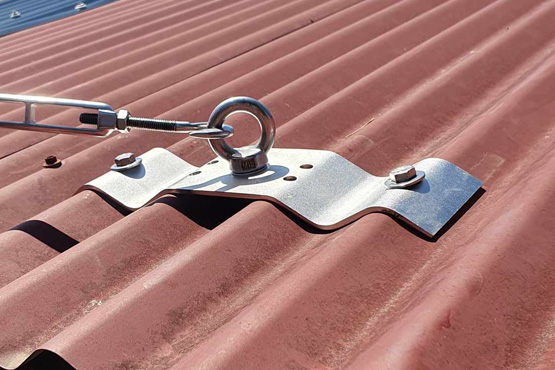
Common mistakes include equal corner heights that lead to water retention and sagging fabrics, which can diminish aesthetics and durability. It is advisable to raise corners to prevent noise and wear. Proper post installations must consider local soil conditions, and coastal environments require rust-resistant hardware to ensure longevity and maintain appearance.
Measuring spans accurately and taking informative photographs of the site can expedite the design process. When ready, contact professionals to confirm layout and provide a quote for your driveway shade solution.